Posted by Frank McKnew on December 23, 2019
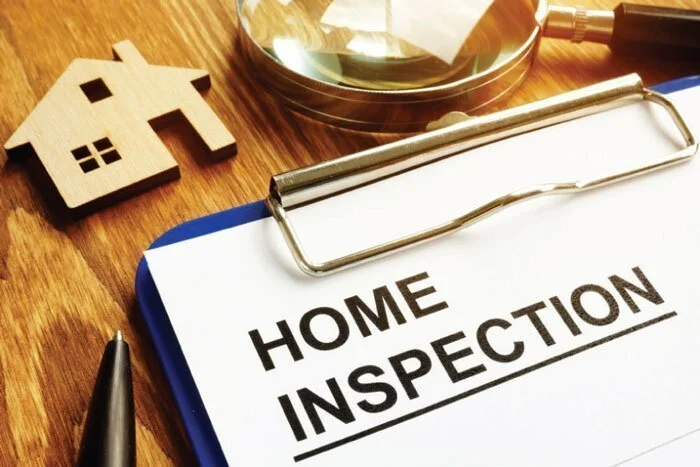
Home inspections can be nerve-racking. No home is perfect, but taking the steps to ready your home for the inspection can help minimize any unexpected surprises.
During the closing period, buyers typically hire a home inspector to identify health, safety or mechanical issues. This is to help assure the buyers that the home is fully functioning and livable. A typical inspection takes a few hours to complete and 3-4 days to process.
To prepare for the inspection, be sure to clear out the clutter and lock up pets. Home inspectors check everything thoroughly. If they are unable to inspect something, they’ll mark it as “uninspectable”, which can delay the closing process further. This includes making sure the electrical panel, furnace and water heater are all accessible. Keep receipts of any maintenance services done on the home. This could help answer any questions the inspector or buyers may have.
There are 7 major things inspectors look for:
– Water Damage
– Structural Issues
– Old/Damaged Roof
– Damaged Electrical Systems
– Plumbing Problems
– Inspect/Pest Infestation
– HVAC Issues
If there are latent defects, buyers can 1) renegotiate their offer by lowering the sales price or requesting a credit, 2) cancel the contract, or 3) request repairs. If the buyer cancels the contract, the home must be put back on the market.
As a seller, you have three options when responding to a home inspection addendum: 1) counter, 2) accept, or 3) reject. If you choose to counter, you can opt to only complete some of the requested repairs. If you choose to do so, that of course has to be approved and agreed upon by the buyers. When accepting the buyer’s requests, you are agreeing to complete ALL requested repairs before the close date. When rejecting, you are agreeing to cancel the contract and re-list the home. This is where it gets tricky. Since an inspection has been conducted and there are known latent defects, the selling agent must disclose those known defects to any future buyers and their agents.
Some inspection reports come back clear but others can be a nightmare. Sellers most likely will have to cover the cost of the repairs, so be sure you’re getting accurate estimates. Work with your agent and their team to get in contact with local companies.